Cellular Services Anywhere?
4/6/2026
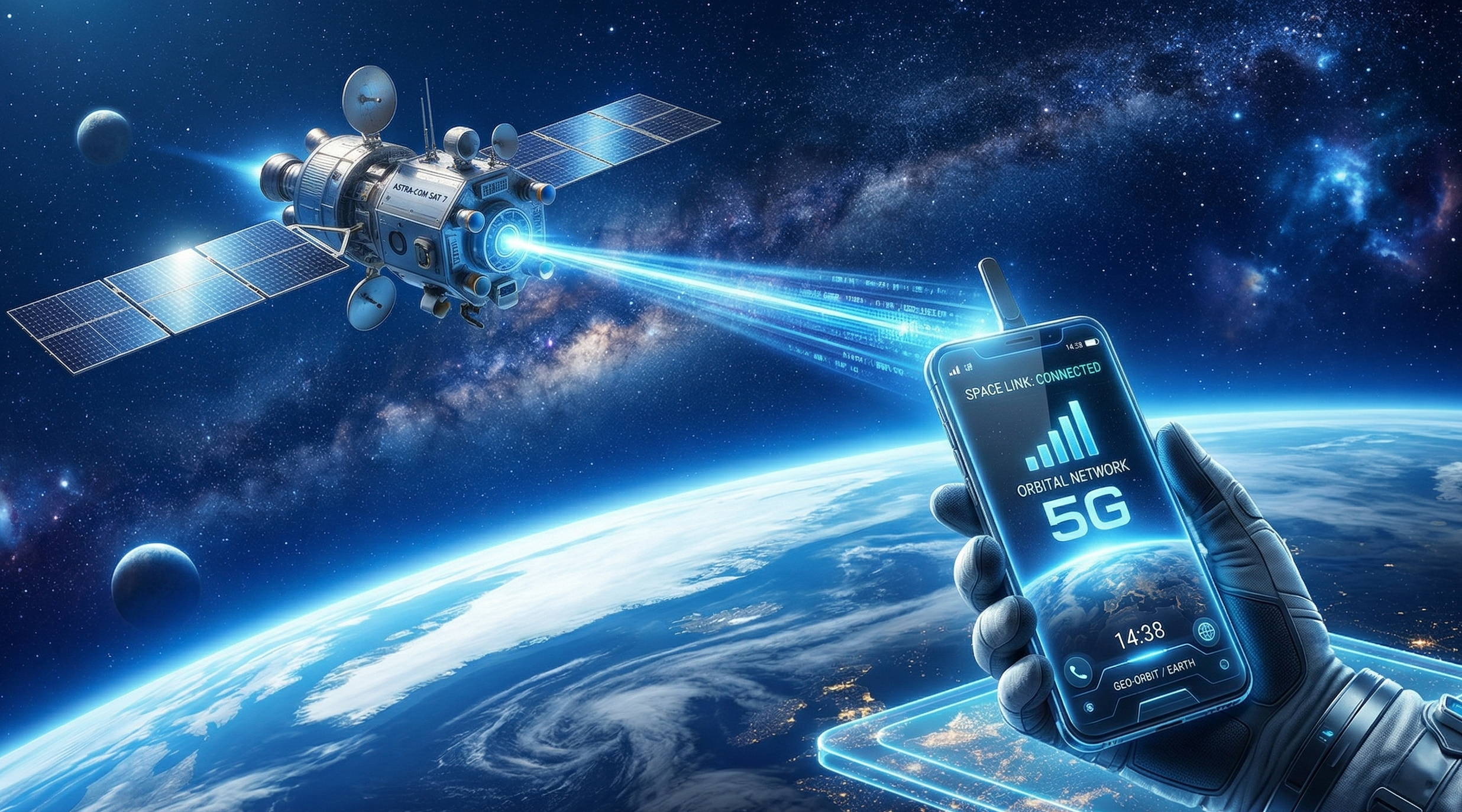
Starlink Direct-to-Cell (DTC) is aiming to make satellites act like cell towers in the sky—so your phone can get a signal in places where traditional towers don’t reach. This “Starlink Mobile” idea is especially exciting for rural and remote areas, and some newer satellite designs may even reach into some homes in the right conditions—but larger, multi-story, or metal/steel buildings may still need help from an outdoor microcell (a small device outside that feeds reliable coverage indoors).
Credit to JCristina (Joe Cristina) for clearly explaining the microcell idea and why indoor coverage is the hard part. (https://www.youtube.com/watch?v=Kdr2_Hi1kmk; https://www.youtube.com/watch?v=L87pvtq0DMk)
The reassuring part: Starlink keeps building out its network and capabilities, and that ongoing investment is exactly why Starlink internet is a smart “future‑proof” choice for many homes, cabins, and businesses. Even while satellite-to-phone service evolves, today’s Starlink internet is already solving the bigger problem—reliable connectivity where wired options and cell coverage often fall short.
Phones are improving too. The industry is building “satellite-ready” features into modern devices (often called NTN, for non-terrestrial networks), and chipmakers like Qualcomm have been demonstrating satellite messaging support—meaning newer phones should be more prepared over time. On speed, it helps to separate coverage vs. performance: early DTC is about getting connected at all (often described as low single-digit Mbps today), while future upgrades talk about much higher performance (a stated target of up to ~150 Mbps peak per user).
This is all happening thanks to Elon and his brilliance and because he purchased 10-years of Echostar's efforts to get the new frequences in motion and available via satellite to allow them to work with cellular phones via a new chipset that is already being implemented into phones coming out later this year or next!